
The Root of Wellness® Newsletter
Georganne Backman Garfinkel, FMCHC, NBC-HWC
Functional Medicine Certified Health Coach, National Board Certified-Health & Wellness Coach
Food, Stress, and the Gut–Brain Connection
Dear Friends,
Wishing you a Happy Thanksgiving!
Thanksgiving is a time to enjoy good food and the company of family and friends. It’s also a nice opportunity to think about how what we eat, and even how we feel when we eat, can affect our digestion and overall well-being.
Here are a few things I’ve found interesting lately: what healthy diets have in common, how our gut and brain communicate, and how stress can affect digestion. I’ve included a few takeaways from each resource. Click on the titles below to read the full articles or listen to the podcast. You’ll also find a simple breathing practice and a recipe for pumpkin spice chia pudding with pecans, perfect for Thanksgiving.
Read: What healthy diets have in common
What Do Longevity Diets Have in Common? — Rhonda Patrick
Rhonda Patrick explores what several healthy eating patterns share, how gut microbes process some of these foods and discusses research linking overall diet quality with markers of healthy aging.
Healthy eating patterns share an emphasis on fiber, colorful plant foods, and adequate protein.
Gut microbes turn some dietary fibers into compounds that help nourish the cells lining the colon.
In the research discussed, healthier eating patterns were associated with more favorable markers of biological aging.
Listen: A conversation about the gut–brain connection
What We Got Wrong About the Gut Microbiome (And What’s Actually Right) — Mark Hyman with Emeran Mayer
Gastroenterologist and neuroscientist Emeran Mayer, MD, joins Mark Hyman, MD, to discuss how the gut and brain influence one another. Their practical takeaways include eating a variety of plant foods and giving attention to sleep, movement, stress, and connection with others.
The gut and brain communicate in both directions, with gut microbes participating in that conversation.
Sleep, movement, stress, and social connection are part of gut health, alongside what we eat.
Mayer encourages building habits gradually and keeping food enjoyable.
Try: A moment to “rest and digest”
Unlock the Brain-Gut Connection for Better Digestion and Health — Harvard Health
This Harvard article explains how stress and digestion influence one another and discusses practices such as breathing exercises, mindfulness, and yoga.
Stress can speed up or slow down the movement of food through the digestive tract.
It can also make the gut more sensitive to pain and bloating.
Breathing exercises, mindfulness, and yoga may help ease stress and some digestive symptoms.
A simple practice: Before a meal, try three unhurried breaths, letting your belly expand gently as you breathe in and breathing out without forcing.
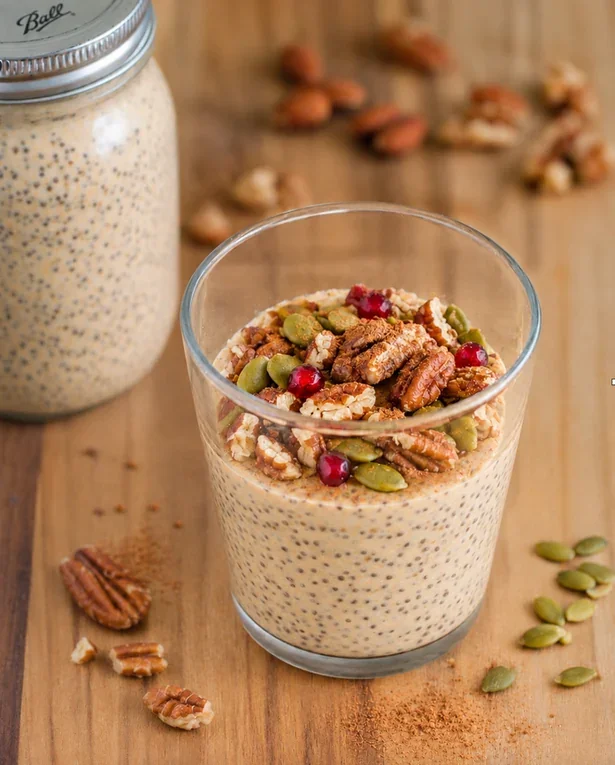
Try: In the kitchen: Pumpkin Spice Chia Pudding with Pecans
A simple make-ahead breakfast or dessert for Thanksgiving weekend or anytime. Pumpkin, chia seeds, and pecans provide fiber, healthy fats, and plant compounds, while cinnamon and ginger add the flavors of fall.
Dairy-free, gluten-free, no added sugar. Makes 4 servings.
Ingredients
3½ cups unsweetened almond milk
½ cup chia seeds
½ cup unsweetened pumpkin purée
1 teaspoon vanilla extract
1½ teaspoons cinnamon
½ teaspoon ground ginger
¼ teaspoon nutmeg
Stevia or allulose to taste, optional
Toppings
½ cup chopped pecans
¼ cup pumpkin seeds
¼ cup pomegranate seeds, optional
Cinnamon for sprinkling
To prepare
Whisk together the almond milk, pumpkin purée, vanilla, spices, and optional sweetener. Stir in the chia seeds.
Let stand for 10 minutes, then stir again to prevent clumping. Cover and refrigerate for at least 4 hours or overnight.
Divide into four glasses or bowls. Top with pecans, pumpkin seeds, a sprinkle of cinnamon, and optional pomegranate seeds just before serving.
Enjoy!
Warmly,
Georganne
